Productized Landing Pages
Landing pages were becoming a critical growth channel, but demand was outpacing the team's ability to produce them. Each new campaign or partnership page required coordination across design, engineering, and marketing, which made launches slower than the business needed.
I partnered with growth and brand teams who each relied on different tools to build landing pages for ads and healthcare partnerships. While both teams were finding success, the production model created fragmented workflows, inconsistent outputs, and unnecessary dependency on technical support.
We needed to turn landing page creation from a bespoke service model into a scalable production system that gave teams more autonomy without adding technical overhead.
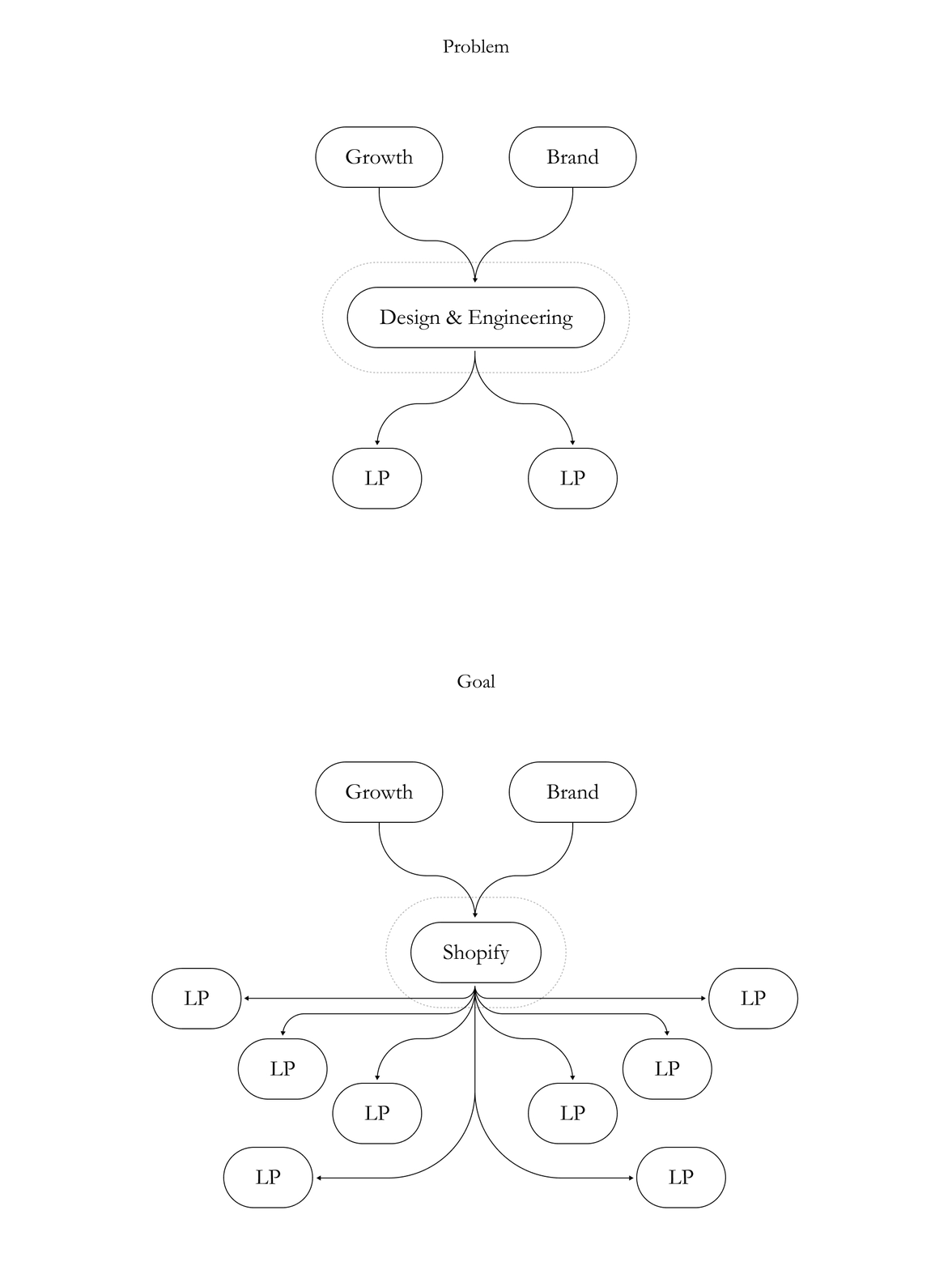
I took a hands-on, immersive approach to understand how each team worked, where the process slowed down, and which patterns could be reused across page types.
- Step 1 - Map the Workflows: Established shared context across growth, brand, and engineering stakeholders. Conducted interviews to understand team goals, production needs, and recurring friction points.
- Step 2 - Build Inside the Process: Partnered with teams end-to-end, using the existing tools and workflows to design and publish pages firsthand. This exposed what worked, what broke down, and where unnecessary handoffs were slowing teams down.
- Step 3 - Define Reusable Patterns: Identified the structural patterns shared across campaigns, product education, and partnership pages. Led stakeholder brainstorms, designed modular sections, and pressure-tested them against real briefs to ensure the system could support a wide range of page needs.
- Step 4 - Operationalize the System: Synthesized learnings, documented limitations, and collaborated with stakeholders to define a new landing page process. The goal was to support both teams with a scalable, repeatable model for creating pages moving forward.
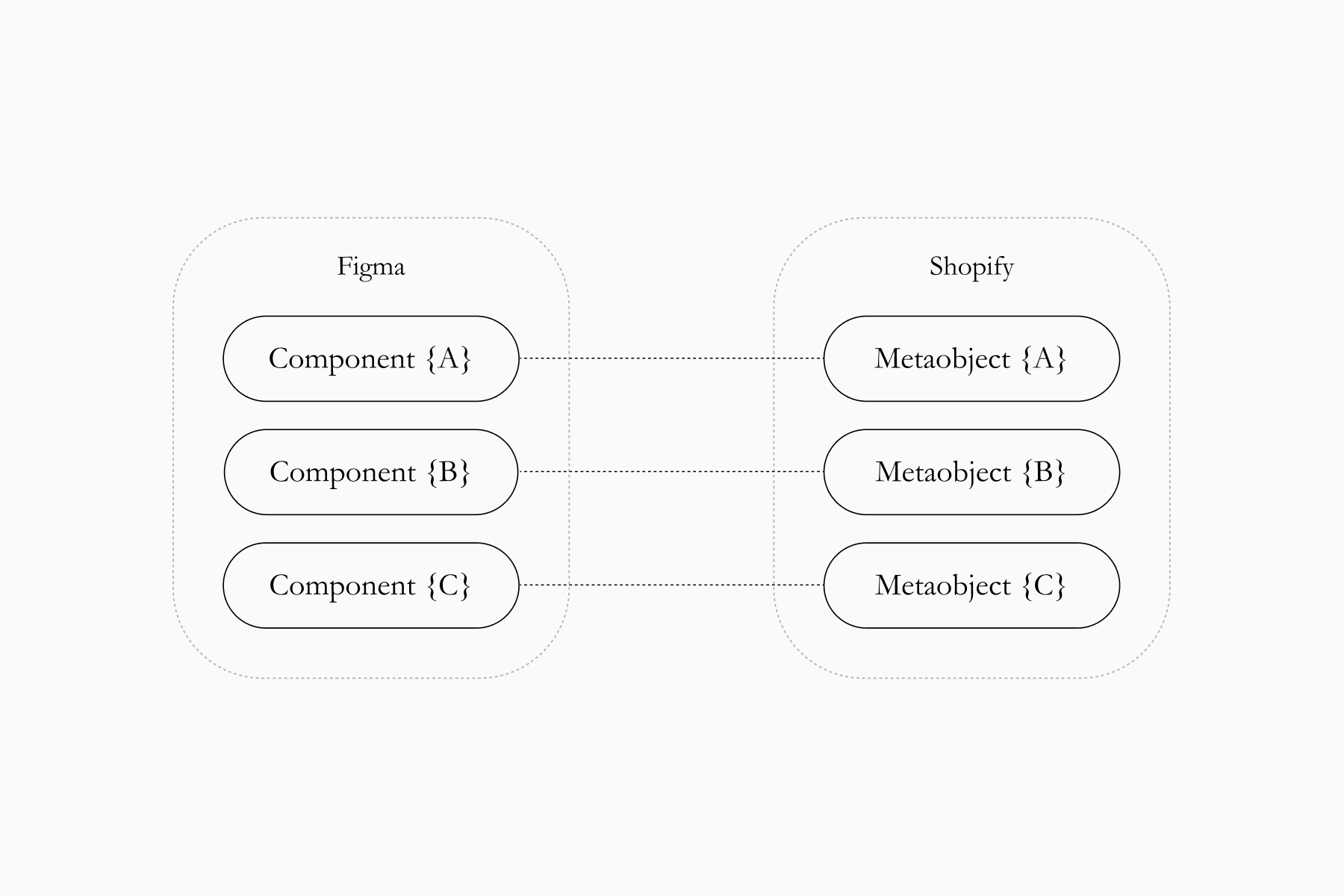
Based on these findings, I designed a self-serve landing page system that enabled non-technical teams to independently create, preview, and deploy pages within Shopify.
The system introduced a modular section library built on native Shopify metaobjects, giving teams structured content fields and reusable page sections that could be assembled without custom engineering support.
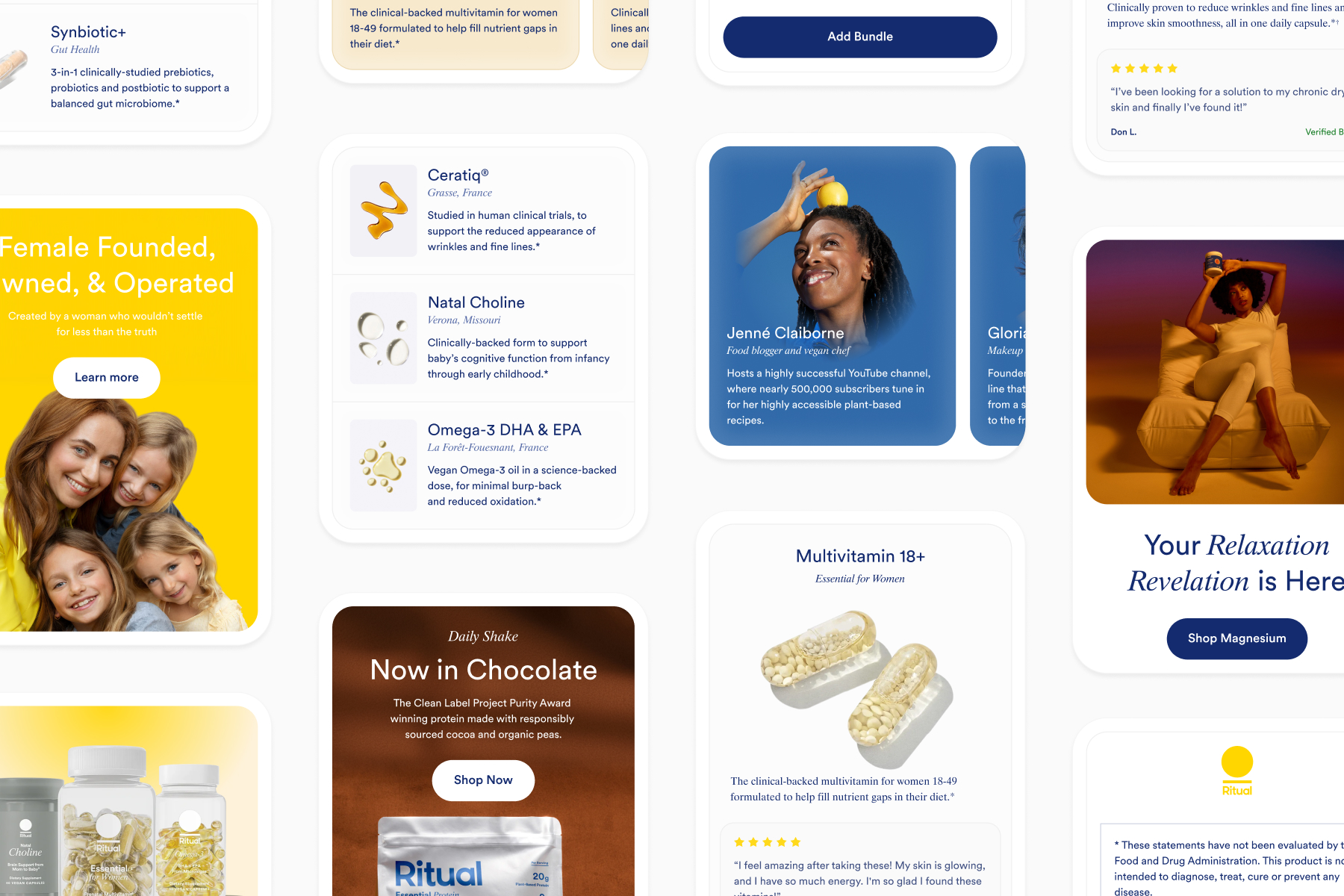
Multiple teams can work in parallel without engineering support or release conflicts.
Landing page creation moved from a design and engineering dependent process to a distributed system where multiple teams can operate independently.
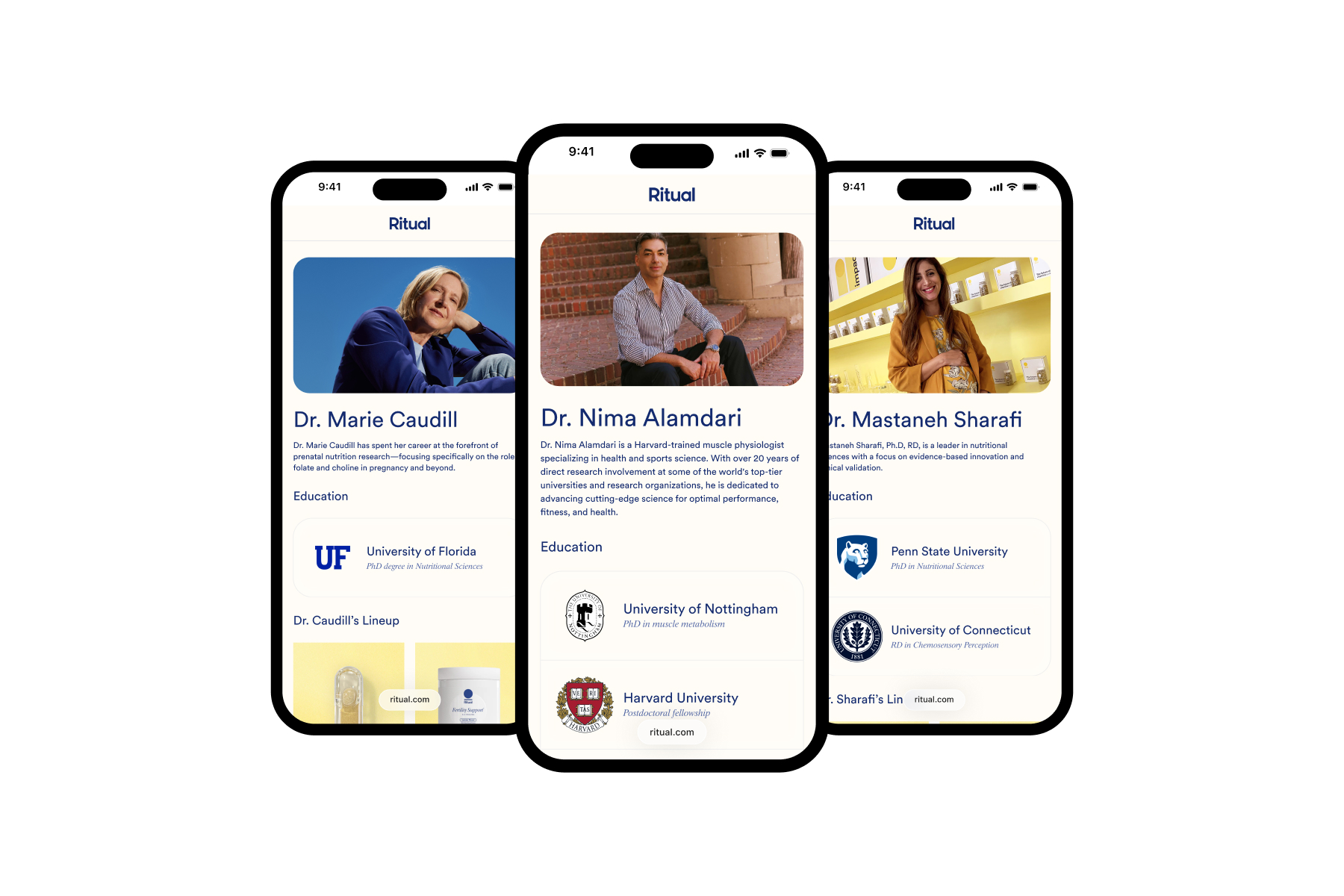
The result was a new operating model for landing pages: teams could build directly in Shopify, reuse approved page patterns, and move from campaign brief to launch with fewer handoffs.
Production Volume
Avg. 10 LPs wk. vs. 10 LPs mo.
After launch, I revisited both the customer experience and internal workflow to identify additional optimization opportunities.
- Usability Studies & Session Analysis: Global elements like header navigation, account access, and Intercom widgets distracted users on focused landing pages. What served as useful sitewide functionality in one environment pulled attention away from primary CTAs in another, so I removed non-essential global elements and simplified the page structure around a single conversion path.
- Stakeholder Interviews: Teams were bypassing the Figma step entirely and building directly in Shopify. Instead of forcing the original workflow, I streamlined the process around direct Shopify builds, removing the redundant design review step and eliminating manual content transfer from Figma into Shopify.